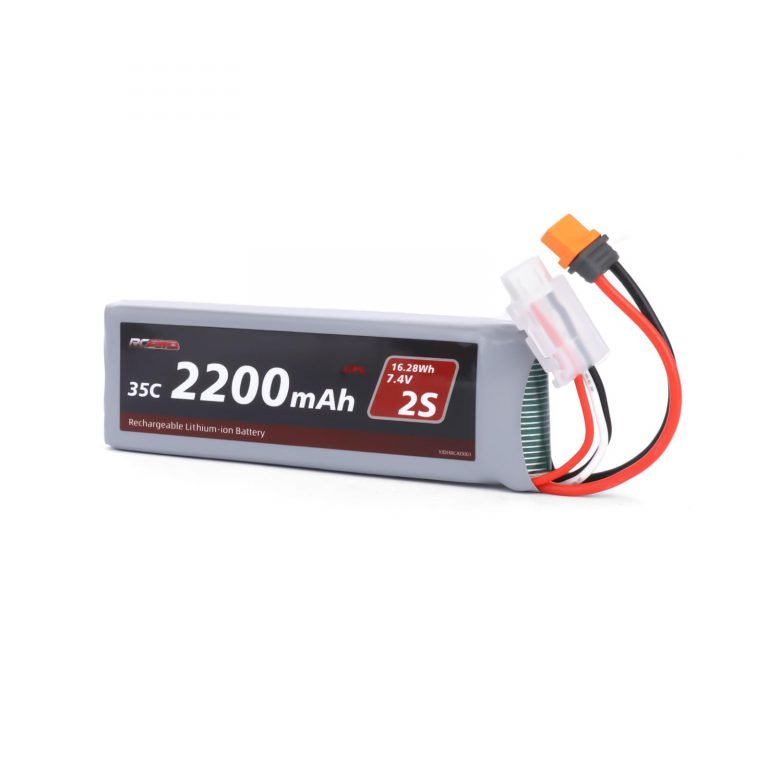
In the world of RC models, power tools, and high-current electronic devices, connectors play a critical role in ensuring stable power transmission. IC5 and EC5 are two popular high-performance connectors widely used in these fields, but many users struggle to tell them apart or understand their compatibility. This article provides a comprehensive comparison of IC5 and EC5 across current capacity, size, specifications, and applications to help you make informed decisions.
IC5 vs EC5: Core Parameters Comparison Table
| Comparison Dimension | IC5 Connector | EC5 Connector |
|---|---|---|
| Current Rating | Typical continuous current: 30-50A; Peak current: Up to 100A (short-term) | Typical continuous current: 40-60A; Peak current: Up to 120A (short-term) |
| Physical Size | – Pin diameter: ~4.0mm – Housing length: ~25mm – Housing width: ~15mm – Weight: ~8-10g | – Pin diameter: ~5.0mm – Housing length: ~30mm – Housing width: ~18mm – Weight: ~12-15g |
| Key Specs | – Contact material: Tin-plated copper alloy – Insulation material: Flame-retardant nylon – Contact resistance: ≤5mΩ – Insertion-extraction cycles: ≥500 | – Contact material: Gold-plated copper alloy (some versions) – Insulation material: High-temperature resistant nylon – Contact resistance: ≤3mΩ – Insertion-extraction cycles: ≥1000 |
| Typical Applications | – Mid-sized RC drones/quadcopters – 1/10 scale RC cars/trucks – Portable power banks (high-current output) – Small electric scooters | – Large RC boats/planes – 1/8 scale or larger RC vehicles – Industrial power supplies – Electric lawn mowers – High-power LED lighting systems |
Detailed Differences Between IC5 and EC5 Connectors
1. Current-Carrying Capacity: EC5 Leads the Way
The most notable difference between IC5 and EC5 is their ability to handle current. EC5’s larger pin diameter (5.0mm vs. IC5’s 4.0mm) and optimized contact design support higher continuous and peak currents. This makes EC5 ideal for high-power devices that require sustained heavy current output, such as large-scale RC models or industrial equipment. IC5, while still a high-current connector, is better suited for mid-power applications where space and weight are more constrained.
2. Physical Size & Weight: IC5 Is More Compact
IC5 features a smaller, lighter housing compared to EC5. Its narrower width (15mm vs. 18mm) and shorter length (25mm vs. 30mm) make it easier to install in tight spaces—think small RC drones or compact power tools. EC5’s larger size is a trade-off for its higher current capacity: the bigger pins and housing provide better heat dissipation and structural stability under heavy loads.
3. Material & Durability: EC5 Offers Better Longevity
EC5 connectors often use gold-plated copper alloy contacts (depending on the manufacturer), which reduce contact resistance and improve corrosion resistance compared to IC5’s tin-plated contacts. Additionally, EC5’s insulation material is typically high-temperature resistant nylon, allowing it to withstand higher operating temperatures. With a longer insertion-extraction life (1000 cycles vs. 500 cycles), EC5 is more durable for frequent use.
4. Application Scope: Targeting Different Power Levels
IC5 is tailored for mid-power electronic devices where balancing current capacity and size is key. Common uses include 1/10 scale RC cars, small drones, and portable high-current chargers. EC5, designed for high-power applications, is widely used in large RC models (1/8 scale or larger), industrial power systems, and outdoor equipment that demands reliable performance under heavy loads.

Are EC5 and IC5 Compatible?
No, EC5 and IC5 are not directly compatible.
The core reason lies in their physical design differences:
- IC5 uses 4.0mm diameter pins, while EC5 uses 5.0mm pins—this size mismatch prevents direct insertion.
- The housing shapes and locking mechanisms of the two connectors are also distinct, further limiting interchangeability.
If you need to connect devices with IC5 and EC5 connectors, you’ll need a dedicated adapter (e.g., IC5 male to EC5 female or vice versa). However, note that adapters may slightly increase contact resistance, so they’re not recommended for high-current, long-term use. For critical applications, it’s better to replace the connectors with the same type for optimal performance.
Summary
IC5 and EC5 are both high-quality high-current connectors, but they’re engineered for different scenarios:
- Choose IC5 if you need a compact, lightweight connector for mid-power devices (30-50A continuous current), such as small RC models or portable power tools.
- Choose EC5 if you require higher current capacity (40-60A continuous current), better durability, and corrosion resistance for high-power equipment like large RC models or industrial systems.
Remember: EC5 and IC5 aren’t directly compatible, so always confirm your device’s connector type before purchasing or replacing parts. By understanding their key differences, you can ensure efficient, safe power transmission for your electronic devices.